Kathryn Friedlander introduces us to her new book, which addresses a gap in the field of expertise studies, offering insights that range across diverse creative domains, from the arts to STEM fields, to puzzles and board games.
Elite quizzers are renowned for their extraordinary memories – but how do they acquire and retain such vast swathes of general knowledge? Philip Fine and Kathryn Friedlander explore their latest findings on quizzing expertise.
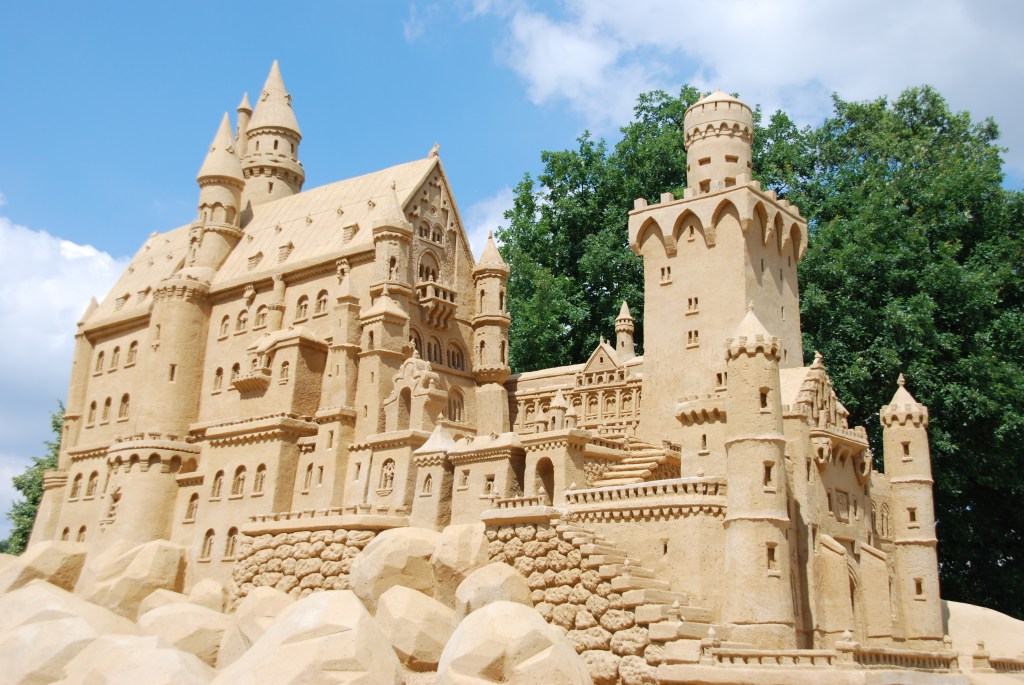
Model making is enjoyed by people of all ages and from all over the world. It has a little something for everyone, ranging from well-known hobbies such as Lego to less popular but equally just as exciting hobbies such as ice sculpting and balloon modelling. But why do people make models, and how do they choose which hobby?
Our MSc student Kieron Kow is investigating this area, asking:
What are the similarities and differences between Lego and a hobby such as clay sculpting?
What do these similarities and differences tell us about the types of people who may choose one model making hobby over another?
And are there more general aspects of a person’s cognitive or other that makes them more likely to pick up and enjoy any model making hobby?
If you are interested in this research, whether you make models or not, please do complete our survey: https://bit.ly/4cJxnj2. Anyone aged 18 or over can take part, it should take you between 15 to 20 minutes, and is completely anonymous. Help us further our understanding of model making as a hobby by taking part. Thank you!
What makes home sewists start to make their own clothes? And how does this relate to their imaginative and creative style of thinking? Lauren Cox stitches together the results of her research into the motivational patterns of sewists.
Do you paint, dance or act? Perhaps you’re a budding novelist or poet? Maybe you write concertos in your spare time?
We’re looking for artists of all varieties to participate in a survey exploring how a person’s response to their environment affects their thinking style.
Our blog may not have been that active recently, but we’ve been very busy behind the scenes preparing our latest series of free public online lectures, and finally they are here!
Three University of Buckingham experts in our Creativity and Performance Expertise research area will be speaking about some exciting new research areas and the overlaps between creativity, expertise and the real world. They will be taking place fortnightly on Wednesday evenings (UK time – 19.00 BST), starting this week!
We are hearing a lot about AI in the news and online at the moment, particularly from experts thinking about this from a technical perspective. But psychology has a lot of offer in this debate too, and Gillian will discuss how psychological theories of creativity can inform the picture.
Film-Making through the Lens of the Mind
For our second lecture in the series, Dr Kathryn Friedlander will be talking about what makes film such a mesmerising art. This takes place on Wednesday 9th August and you can book your place here.
In her talk, Kathryn turns the spotlight on the film-industry, zooming in on the features which elevate it to a creative art-form, such as cinematography, mental storyboarding, and conceptual expansion. She’ll also take a look at why some films win Oscars, while others win a Golden Raspberry; and she will explore the personalities of those who develop and communicate the creative story.
How do Successful Quizzers Know so Much?
Finally, Dr. Philip Fine asks how successful quizzers know so much. This is on Wednesday 23rd August and you can book your place here.
Quizzes are everywhere: on television, in the pub, online, at home on a Sunday afternoon around the Trivial Pursuit board. Expert quizzers all over the country can win large and luxurious prizes, and even TV fame (think The Chasers). But how do these successful super-quizzers develop their remarkable knowledge and have all those facts at their fingertips? Philip will discuss and explore possible answers to this question.
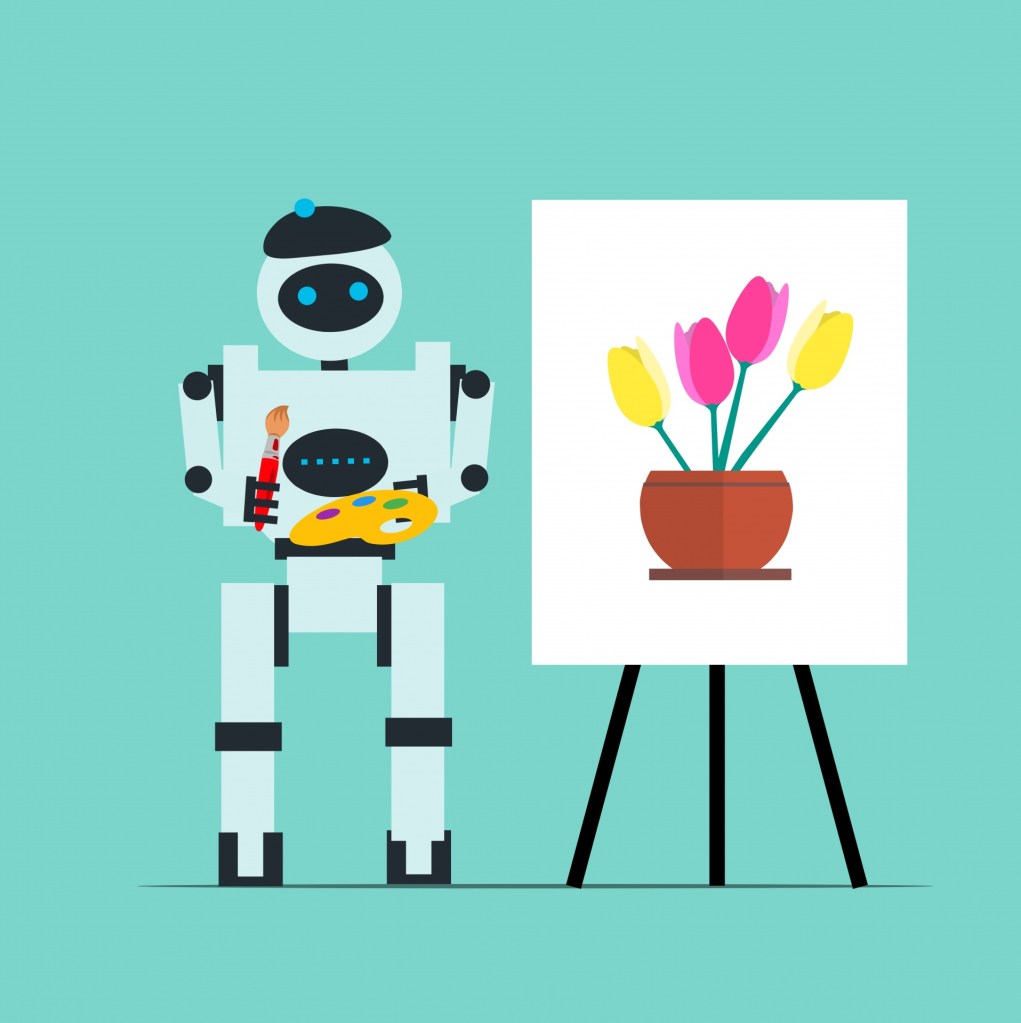
We very much hope you will join us for this exciting online lecture series Robots, Quiz, Action! The Psychology of Creativity and Expertise. We look forward to hearing your comments and questions at the webinars.
Sign up links are above and please do spread the word…as creatively as you can!
What goes on when we see images in our mind? And is the strength and vividness of these images related to our ability to think creativity? Kathryn Friedlander talks us through the new findings from her recent journal article and argues that it all might depend on what kind of imagery we tend to conjure up.
You can’t have failed to notice the recent meteoric rise of Wordle. From November 2021, when its creator Josh Wardle first shared it on Twitter and it had 90 players, to 2 million players in the second week of January 2022, it has certainly caught the public consciousness. But why is that? And what makes a good Wordle player? Philip Fine investigates.
We’re looking for interesting and creative people to take part in our current survey exploring how personality and attitudes relate to creative potential and wellbeing.
The survey is being run by our fabulous MSc student Kathleen, here at the University of Buckingham’s CREATE hub.
Intrigued? Just click here to find our more. The survey will take you about 15-20mins to complete and it’s totally anonymous.




 CREATE Ψ